Fotona Laser Treatments for Fine Lines and Wrinkles
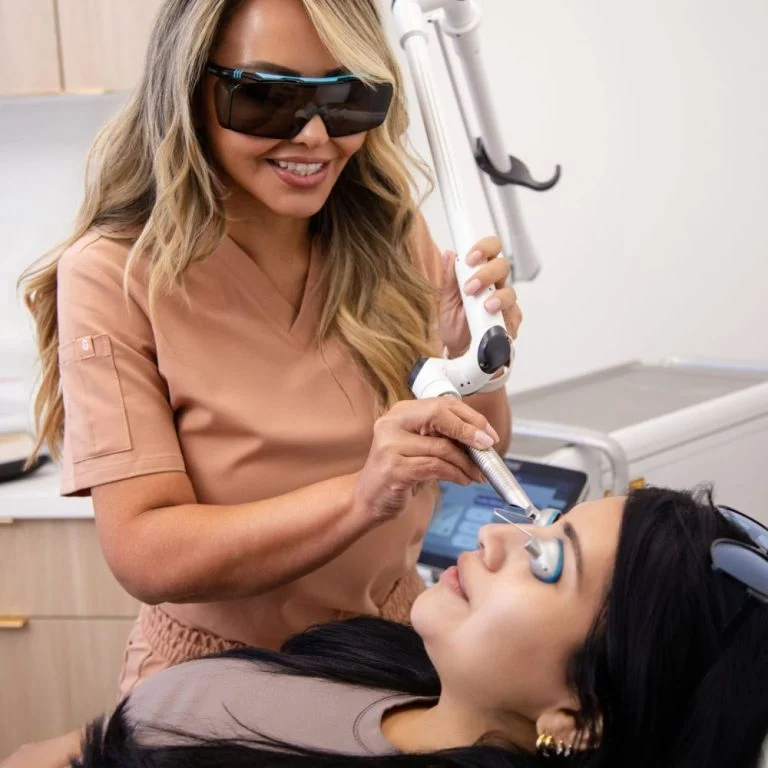
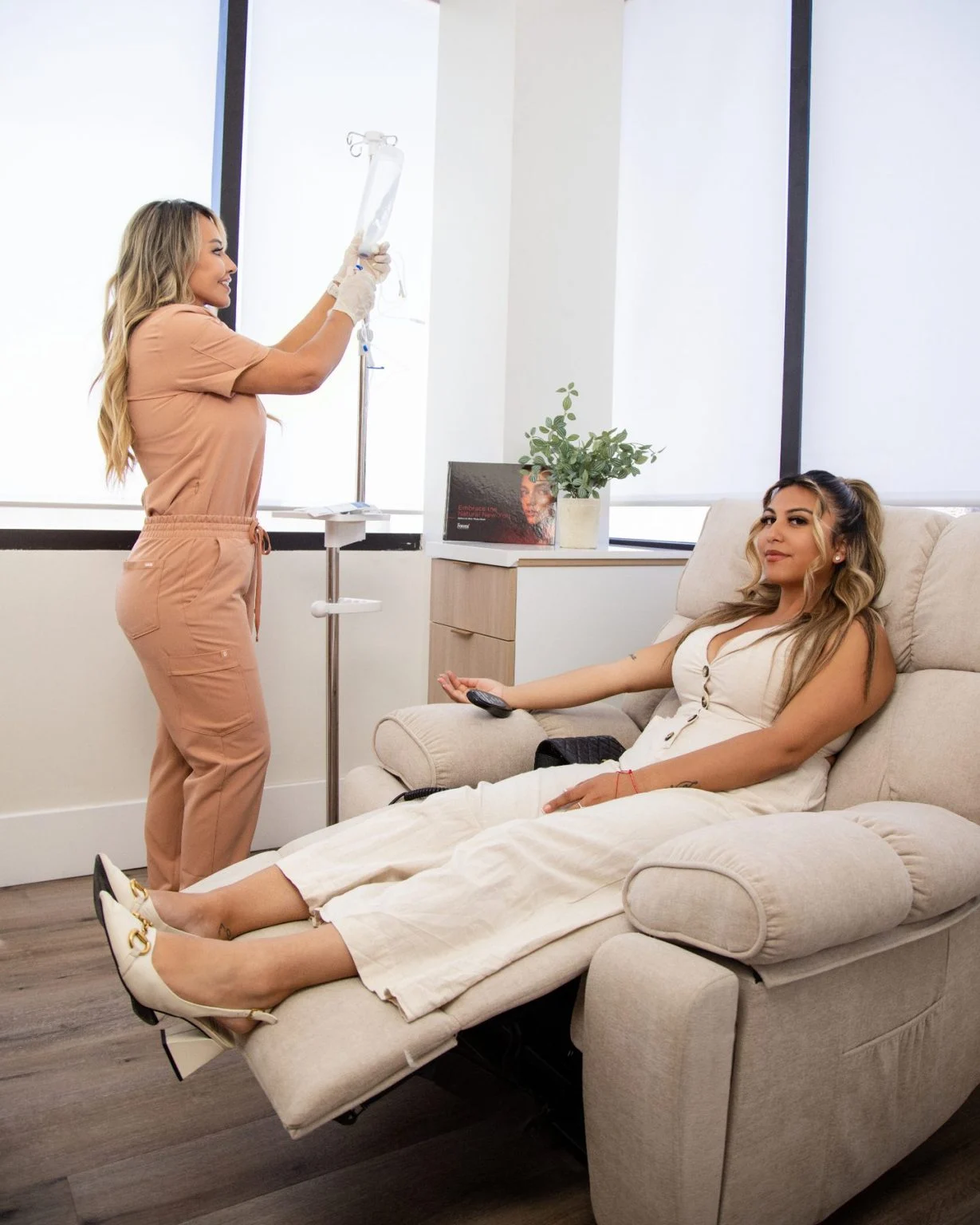
Fine lines rarely arrive all at once. Most people notice them in fragments, a faint crease near the mouth, texture that catches light differently under the eyes, a forehead that looks a little less smooth at the end of the day. Wrinkles follow their own timeline. Some are tied to movement and expression, some to sun exposure, some to gradual collagen loss, and many to a combination of all three. That is why treatment rarely comes down to a single question of whether a laser works. The better question is whether a specific laser platform fits the kind of aging you actually see in the mirror.
Fotona Laser Treatments have become a serious option for patients who want visible skin rejuvenation without jumping straight to aggressive resurfacing or surgery. In practice, what makes Fotona interesting is not just the brand name. It is the way the platform combines different wavelengths and treatment modes to target fine lines, deeper wrinkles, laxity, texture, and tone with a surprising degree of control. For the right patient, that versatility matters more than marketing language ever could.
A lot of skin treatments sound interchangeable when described online. In the treatment room, they are not. Some are better for pigment, some for redness, some for tightening, and some for true resurfacing. Fine lines and wrinkles sit in the middle of that overlap, which is exactly where Fotona tends to stand out.
What Fotona actually is, and why it is used for aging skin
Fotona is a laser platform that commonly uses two wavelengths, Er:YAG and Nd:YAG. You do not need to memorize the physics to understand the practical difference. What matters is that these wavelengths can be used in different ways, one with a stronger resurfacing role and one with a stronger heating and tightening role. That allows a clinician to treat both the surface changes of aging and some of the deeper structural decline beneath them.
Fine lines are often a surface problem first. The skin starts to look crepey, especially around the eyes and mouth. Wrinkles, especially those that are etched in at rest, usually involve more than surface damage. The collagen scaffold is thinner, skin turnover is slower, and repeated muscle movement has left a more permanent mark. A platform that can gently polish the surface while also stimulating remodeling below the surface has a logical advantage.
This is one reason many practices use Fotona for what patients often describe as “early aging” and “middle-stage aging.” It can be adapted for someone in their thirties noticing texture changes, but it can also be useful for someone in their fifties or sixties who wants improvement in lines, pores, and mild to moderate laxity without the downtime of more aggressive ablative procedures.
Fine lines versus wrinkles, and why the distinction matters
In consultation, patients often use the terms interchangeably. Clinically, the distinction helps set expectations.
Fine lines tend to be shallow and superficial. They often show up under makeup, around the eyes, or across the cheeks where dehydration and sun damage reveal themselves first. These usually respond well to treatments that improve skin turnover, smooth the epidermal surface, and stimulate modest collagen production.
Wrinkles are deeper folds or creases. Some are dynamic, meaning they are caused primarily by muscle movement, such as crow’s feet or frown lines. Others are static, meaning they remain visible even when the face is at rest. Static wrinkles tend to need more than one approach. A laser can soften them, but if muscle activity is strong or volume loss is significant, laser alone may not fully address the issue.
This is where experienced judgment matters. Patients are happiest when they understand whether the treatment goal is softening, tightening, smoothing, or complete erasure. Complete erasure is rarely realistic with any non-surgical treatment, and promising that usually leads to disappointment.
How Fotona approaches wrinkle treatment
Fotona treatments can be customized in several ways, but the broad principle stays the same. One part of the treatment creates controlled thermal stimulation to encourage collagen remodeling. Another may resurface or renew the skin more directly. In some protocols, these effects are layered in a single session.
One of the better-known approaches is Fotona 4D, which uses multiple steps to treat both internal and external tissue. That includes intraoral treatment, where the laser is used inside the mouth to heat tissue and support tightening around the nasolabial folds and lower face. Patients are often surprised by this part, but it is one of the reasons the treatment can produce a more global result than a simple surface-only laser pass.
For fine lines around the eyes or mouth, lighter resurfacing settings can help smooth the skin and improve how it reflects light. For broader facial aging, collagen stimulation from deeper heating can create gradual firmness over the following months. The result is usually not a dramatic overnight change. It is more often a steady improvement in texture, skin quality, and line depth.
That gradual progression tends to suit patients who want to look refreshed rather than obviously treated.
What treatment feels like
This is one of the most common questions, and the answer depends on the exact protocol. Fotona is not one single sensation. Some settings feel warm and prickly. Some feel like quick snaps against the skin. Intraoral steps usually feel strange more than painful. More intensive resurfacing can be uncomfortable enough that a topical numbing cream becomes worthwhile.
In routine clinical use, most non-ablative or lightly ablative sessions are tolerable. Patients often compare it to a strong heating sensation with bursts of sharper energy. The area around the eyes and upper lip is generally the most sensitive. A patient with a low pain threshold may prefer more numbing time, cooling support, or a lower-intensity approach built over more sessions.
The better way to think about discomfort is relative downtime. Treatments with minimal recovery often involve milder discomfort and more gradual results. Treatments that chase stronger texture correction in fewer sessions usually ask more of the patient for several days afterward.
Downtime, redness, and what the mirror looks like afterward
Recovery varies widely with the settings used. This is where online descriptions can get muddy, because people will say they had “Fotona” when in fact they had very different treatment intensities.
A gentler tightening-focused session may leave the skin pink for a few hours to a day, with mild swelling and a warm sensation. Makeup may be possible the next day. A resurfacing-heavy session can lead to more obvious redness, a rough sandpapery texture, pinpoint crusting, and several days of social downtime. The skin may feel dry and tight before it peels or flakes.
For patients treating fine lines, especially around the eyes or mouth, I usually find the most practical middle ground is a protocol that creates visible skin renewal without fully knocking them out of their routine for a week or more. That said, there are patients who would rather have one stronger treatment than several lighter ones. Neither preference is wrong. It depends on schedule, tolerance, and expectations.
A simple timeline often looks like this:
- Day 1 to 2, pinkness, mild swelling, a feeling of heat or tightness
- Day 3 to 5, rougher texture, dryness, possible flaking or bronzing depending on settings
- Day 5 to 7, skin starts to look smoother and calmer
- Weeks 4 to 12, collagen-related improvements continue to develop
The immediate glow people notice early on is real, but the more meaningful wrinkle softening comes later as remodeling takes place.
Where Fotona tends to perform best
Not every wrinkle pattern responds equally. Fotona usually performs best when the goal is improving overall skin quality along with softening early to moderate lines. It is particularly useful for patients who have a mix of concerns rather than one isolated issue.
The under-eye area can benefit, especially when there is crepey texture rather than heavy fat bulging or severe skin excess. The cheeks often respond well because they can show visible improvement in texture and pores after resurfacing components. Fine lines around the mouth can soften, though smokers’ lines and long-standing etched lip lines may need multiple sessions and still may not disappear completely.
The neck is worth mentioning because it is often overlooked. Mild crepiness and textural aging on the neck can improve with carefully chosen settings, though the neck typically responds more slowly than the face and requires conservative energy use because it heals differently.
Patients with mild lower-face laxity sometimes appreciate Fotona because it can produce a subtle firming effect without injectables. “Subtle” is the important word there. If someone has jowling, significant skin redundancy, or a heavy neck, surgery still outperforms laser by a wide margin.
Where it has limitations
Every good treatment has edges. Fotona is not a replacement for neuromodulators when expression lines are driven strongly by muscle movement. A patient with deep glabellar lines who frowns forcefully may soften those lines with laser, but if the movement continues unchecked, the lines will keep reforming. In that situation, combining treatments often produces a better result than insisting on one modality.
It is also not a filler substitute when wrinkles are caused in part by structural volume loss. Marionette lines, deeper folds around the mouth, and hollowing in the midface can cast shadows that resurfacing alone cannot eliminate. Laser may improve the skin draped over that area, but it cannot replace lost support in the same way a well-placed filler can.
Then there is skin type. While Fotona can be used across a range of skin tones, treatment planning in darker skin requires caution. The risk is not that darker skin cannot be treated. The issue is that aggressive resurfacing in higher Fitzpatrick skin types may increase the chance of post-inflammatory hyperpigmentation. An experienced clinician adjusts settings, timing, and pre- and post-care accordingly. That nuance makes a real difference.
Finally, severe static wrinkles often need layered care. Patients with very etched lines from years of sun exposure, smoking, or advanced collagen loss may improve, sometimes impressively, but not to the degree that a facelift, deep resurfacing, or a broader rejuvenation plan could achieve.
A realistic sense of results
Most patients want to know the honest version, not the brochure version. What does success actually look like?
For fine lines, success often means the skin looks smoother, makeup sits better, and the face looks less tired in natural light. For wrinkles, success often means the lines look shallower, the edges are less sharp, and the skin around them looks firmer and more even. Friends may say you look rested, not necessarily that you look ten years younger.
That distinction is important because subtle, believable change is often the goal for working professionals and patients who do not want obvious downtime or dramatic interventions. If someone comes in wanting to erase every line around the eyes in one treatment, a careful clinician should reset that expectation immediately.
The strongest predictors of satisfaction tend to be a good match between concern and treatment, willingness to complete a series if recommended, and consistent sun protection afterward. Laser can stimulate collagen, but it cannot outwork daily UV exposure.
How many sessions are usually needed
There is no single answer because the protocol varies. For lighter rejuvenation and early lines, a series of three sessions spaced several weeks apart is common. For more intensive resurfacing, fewer sessions may be needed, sometimes even one major treatment followed by maintenance. For mixed concerns such as pores, early laxity, and fine lines, many practices recommend a package approach because cumulative improvement is easier to see than a one-off session.
Patients sometimes expect a laser treatment to behave like filler, immediate and obvious. Fotona usually behaves more like exercise for the skin. There may be an initial visible boost, but the more meaningful structural gains come with repetition and time. A patient who understands that rhythm tends to judge the treatment more fairly.
The role of aftercare
Post-treatment care matters more than many people expect. Good results are not just created in the clinic. They are protected at home.
For the first few days, the skin barrier needs support. Harsh acids, retinoids, scrubs, and active exfoliants usually need to pause. Patients do best with gentle cleansing, bland moisturization, and strict UV protection. If resurfacing was involved, picking at flaky skin is one of the fastest ways to prolong redness or trigger pigment problems.
The practical aftercare priorities are straightforward:
- Use a gentle cleanser and a barrier-supportive moisturizer
- Avoid heat exposure such as saunas, intense workouts, and very hot showers for the first day or two if advised
- Pause strong actives until the skin has clearly settled
- Wear broad-spectrum sunscreen every day, reapplying when necessary
- Contact the treating clinic if swelling, crusting, or redness seems worse rather than better after the expected recovery window
The most preventable problems after laser are often caused by underestimating sun exposure or restarting aggressive skincare too early.
Who tends to be a good candidate
A good candidate is not defined only by age. It is more about skin behavior, goals, and tolerance for recovery.
Patients who often do well with Fotona Laser Treatments usually have mild to moderate lines, early texture changes, and realistic expectations. They want improvement in skin quality, not a surgical transformation. They can follow aftercare, protect their skin from the sun, and commit to maintenance if they like the results.
The treatment also suits people who want to avoid injectables, at least for the moment, or who prefer devices that work by stimulating the skin’s own repair response. That preference is increasingly common. Some patients simply do not want volume added to the face, and others want to improve texture first before deciding whether they need anything else.
On the other hand, someone with very active melasma, an inability to avoid sun exposure, recent isotretinoin use depending on protocol and physician guidance, or a history of problematic pigmentation after procedures may need a more cautious plan. A history of cold sores also matters when treating around the mouth, because prophylactic antiviral medication may be appropriate.
Combining Fotona with other treatments
Combination treatment is often where the best cosmetic outcomes happen, though it has to be done thoughtfully. Fine lines and wrinkles are rarely one-dimensional, so treatment should not be either.
Neuromodulators can reduce movement-related creasing, especially in the forehead and crow’s feet. A laser can then improve the skin quality and residual etched texture that remains when the muscles are relaxed. Fillers can restore structural support in selected areas, which may reduce shadowing and soften folds that laser alone cannot fully address. Skincare, particularly retinoids and sunscreen, helps maintain the gains.
The caveat is timing. Not every treatment should be stacked on the same day, and not every patient needs a “full face everything” approach. Experienced providers sequence care based on healing, anatomy, and priorities, not based on selling the longest menu.
Questions worth asking before booking
The most useful consultations are specific. Rather than asking only whether Fotona works, ask how your provider plans to use it for your particular pattern of aging. A patient with under-eye crepiness and early smile lines is not the same as a patient with deep upper-lip lines and lower-face laxity.
It is reasonable to ask which Fotona protocol is being recommended, how much downtime to expect, what a realistic endpoint looks like after one session https://waylonmtaz051.theburnward.com/fotona-laser-treatments-for-subtle-yet-noticeable-results versus a series, and whether another modality might better target your main complaint. Those questions do more to protect your outcome than chasing a brand name.
A good clinician will also tell you when Fotona is not the best fit. That answer may be disappointing in the moment, but it is usually a sign of honesty rather than limitation.
Cost, value, and how patients tend to decide
Pricing varies by region, provider expertise, and whether the session focuses on tightening, resurfacing, or a multi-step protocol like Fotona 4D. In many markets, the treatment sits in the middle to upper end of non-surgical rejuvenation pricing. It is not the least expensive option, but patients often perceive value when the plan addresses several concerns at once, texture, lines, mild laxity, and overall skin quality.
The cost conversation becomes simpler when expectations are clear. If a patient wants modest but elegant improvement with manageable downtime, Fotona can feel worthwhile. If the patient is expecting a surgical result from a non-surgical device, even a well-performed treatment may feel overpriced.
That gap between expectation and likely outcome is where most dissatisfaction begins.
The bottom line on Fotona for aging skin
For fine lines and wrinkles, Fotona occupies a useful middle ground. It can do more than a superficial glow treatment, and it usually asks less of the patient than aggressive full ablative resurfacing. Its real strength is flexibility. By combining deeper thermal stimulation with targeted resurfacing, it can improve texture, soften lines, and support a firmer look in a way that feels natural rather than abrupt.
The best results tend to come from careful patient selection, individualized settings, and a willingness to think beyond a single session. Fine lines often respond first. Deeper wrinkles improve more gradually and sometimes need help from other treatments. That is not a weakness of the technology. It is simply the biology of aging skin.
When used well, Fotona Laser Treatments can be an excellent option for patients who want visible rejuvenation with a professional, measured approach. Not every face needs the most aggressive answer. Sometimes the smartest treatment is the one that respects both the skin and the life around it.
OMNIA Wellness Center
Address: 16430 Ventura Blvd Ste 207, Encino, CA 91436
Phone number: +18183868511
FAQ About Fotona Laser Treatments
What is a Fotona laser good for?
A Fotona Laser system is a versatile, dual-wavelength medical laser used primarily for non-surgical skin tightening, anti-aging rejuvenation, and dermatological treatments.
How much does the Fotona laser cost?
The cost of a Fotona laser depends heavily on whether you are looking to purchase a laser machine for a medical practice or are a patient seeking a laser treatment at a medspa.
Is a Fotona laser worth it?
A Fotona laser treatment is generally worth it if you want non-surgical skin tightening, improved texture, and collagen stimulation with very little downtime.